Every month, the Sheldrick Wildlife Trust and Kenya Wildlife Service publish a short report most travelers never see. It lists snares lifted, kilometers walked, and arrests made across Tsavo, Meru, the Mau forest, and the coastal woodlands. The June 2026 report logged 1,130 snares removed and 34,633 km patrolled on foot and by vehicle. Those tsavo meru anti poaching patrols numbers sound abstract until you connect them to the trip you are actually planning. Touring Insights breaks down what the data shows and what it means for anyone heading to either park.
What the June 2026 Report Actually Says
The joint SWT/KWS anti-poaching teams work year-round from forward posts. They cover the Tsavo Conservation Area and Meru National Park. Their June report named specific patrol sectors. These included Kenze, Umbi, Lake Jipe, Sobo, Burra, Galana, Kichwatembo, Mtito, Chyulu, and Yatta, plus a dedicated Meru team. The headline figures:
| Metric | June 2026 |
|---|---|
| Snares lifted | 1,130 |
| Distance patrolled | 34,633 km |
| Arrests and cautions | 38 |
| Bushmeat seized | 156 kg |
| Charcoal kilns destroyed | 50 |
| Illegal hideouts destroyed | 18 |
| Elephant carcasses found | 2 |
Snare removal is the single biggest number, and that matters. Wire snares set for bushmeat kill indiscriminately, catching elephants, lions, and buffalo along with the antelope they were meant for. A month that removes over a thousand of them is different. Many animals that would have died slowly survived instead.
Where These Patrols Operate: Tsavo and Meru at a Glance
Tsavo and Meru are not small parks with a fence and a gate. They are two of the largest protected landscapes in Kenya. That scale is exactly why foot and vehicle patrols matter so much.
| Park | Size | Non-resident entry fee | Nairobi distance |
|---|---|---|---|
| Tsavo East National Park | 13,747 km2 | $80/day (adult) | ~330 km / ~5 hrs drive via Voi Gate |
| Tsavo West National Park | 9,065 km2 | $80/day (adult) | ~240 km / ~4 hrs drive via Mtito Andei Gate |
| Meru National Park | 870 km2 | $60-80/day indicative, confirm on KWS eCitizen | ~348 km / ~5-6 hrs drive via Murera Gate |
Tsavo East and Tsavo West together form the Tsavo Conservation Area, along with Chyulu Hills and South Kitui. It is one continuous ecosystem of roughly 42,000 km2. Meru is smaller and wetter, cut through by the Tana, Rojoweru, and Ura rivers. Its denser bush makes both wildlife tracking and anti-poaching work harder on foot.
Snares, Not Shootouts: What the Work Looks Like Day to Day
Safari marketing sometimes frames anti-poaching as dramatic confrontation. The June report tells a plainer story. Most enforcement actions were for firewood collection, illegal grazing, and small-scale bushmeat poaching, not armed ivory syndicates. Charcoal burning showed up repeatedly too, a slower but real threat since it strips the woodland cover animals depend on.
This is not less important work. It is patient, repetitive coverage of ground most tourists never see. Patrols cover dry riverbeds, boundary fence lines, and old cattle tracks that poachers reuse, because the routes are already cut. Teams walk them on foot, in heat, week after week. A snare left in place for a month can kill several animals before anyone finds it.
The mix of enforcement types also shows why anti-poaching budgets rarely shrink even when ivory poaching itself declines. Charcoal burning and illegal grazing are driven by pressure on land outside the parks. Communities bordering Tsavo and Meru need fuel and pasture, and that need does not stop at the boundary. Rangers cannot patrol that pressure away permanently. They can only keep walking the same boundary lines, month after month. That is exactly what the June totals represent: routine work sustained at scale, not a one-off crackdown.
Does This Mean Tsavo and Meru Are Safe for Travelers?
Yes, in the sense that matters for a visitor. Anti-poaching patrols target snares, illegal grazing, and charcoal operations well away from tourist circuits and lodge areas. No patrol has ever caused a visitor safety incident. The risk these patrols address is to wildlife, not to guests on a game drive. Lodges, gates, and main circuit roads in both parks operate normally and are not affected by patrol activity.
What the numbers actually signal is ecosystem health. A park with active, resourced ranger coverage sees steadier wildlife populations. Sightings stay more reliable year over year. Meru’s rhino sanctuary and elephant population, for instance, only recovered after decades of sustained patrol pressure. Poachers wiped out the park’s rhino population entirely during the poaching crisis of the 1970s and 80s. A fenced sanctuary and a dedicated ranger unit rebuilt the population from scratch.
How Ranger Density Affects What You See on a Game Drive
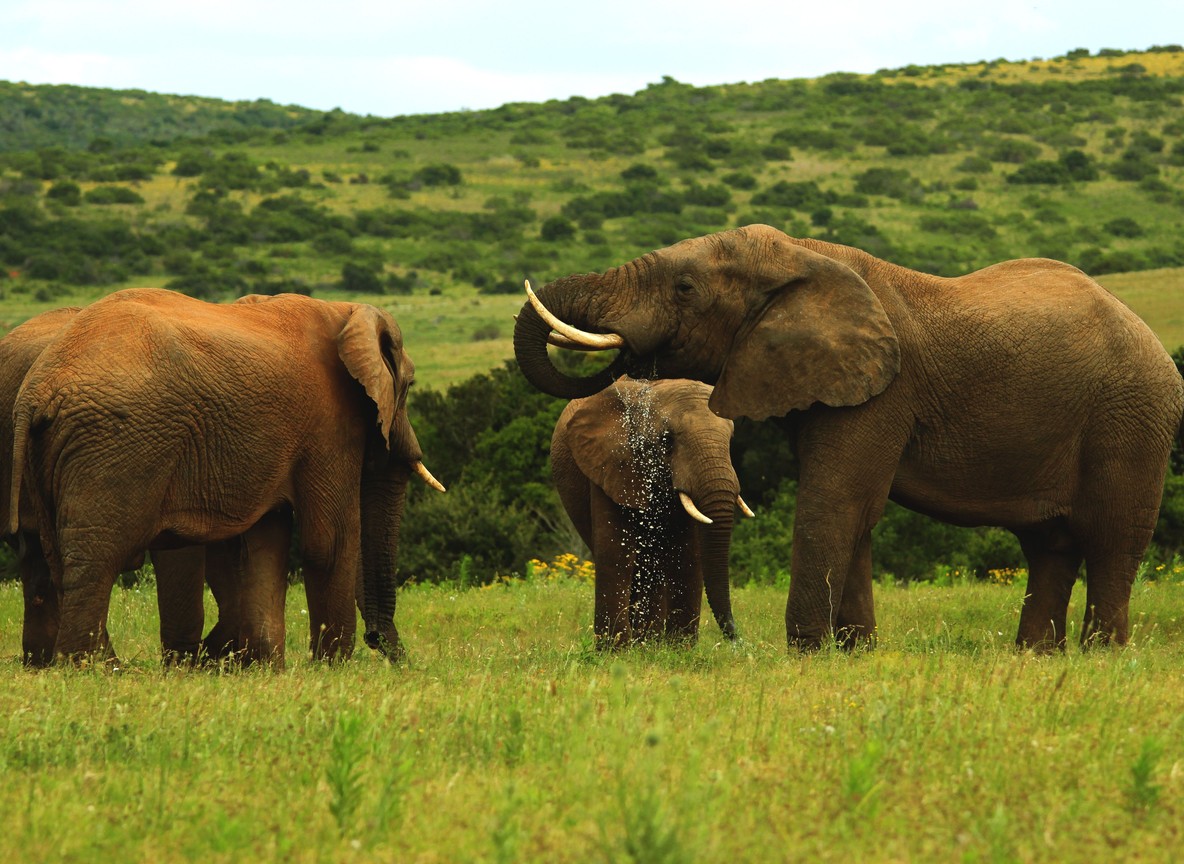
Travelers sometimes ask why Tsavo’s elephants look more relaxed around vehicles than in some other parks. Consistent patrol presence, and the resulting drop in human-wildlife conflict near park boundaries, is a big part of the answer. Elephants that are not routinely chased or snared near settlements habituate faster to slow-moving safari vehicles.
Meru’s smaller, denser terrain works differently. Sightings take longer to find but tend to feel more private. Visitor numbers are lower. Rangers also keep boundary areas clear of the grazing and firewood pressure that pushes wildlife into thicker cover. Ask your guide which sectors patrols have covered recently. Most camps stay in radio contact with KWS. They can tell you which areas have had the most wildlife movement that week.
This pattern shows up over years, not single trips. Meru’s rhino sanctuary population has grown steadily since rangers fenced the zone. Tsavo’s elephant count has climbed back from crisis-era lows across the past two decades. Neither recovery happened because poaching pressure vanished. Both happened because patrol coverage stayed consistent. Herds had long enough to rebuild trust in the same ground, generation after generation.
Planning a Visit: Gates, Airstrips, and Getting There
| Access point | Location | Notes |
|---|---|---|
| Voi Gate | Tsavo East | Main southern entry, closest to Voi town |
| Manyani Gate | Tsavo East | Northern entry off the Nairobi-Mombasa highway |
| Mtito Andei Gate | Tsavo West | Shared with Tsavo East, off the main highway |
| Murera Gate | Meru National Park | Main entry from Meru town |
| Voi Airstrip | Tsavo East | Scheduled light-aircraft service |
| Kilaguni Airstrip | Tsavo West | Serves lodges in the western sector |
| Kina Airstrip | Meru National Park | Serves Elsa’s Kopje and nearby camps |
Camps worth knowing by name: Voi Safari Lodge and Ashnil Aruba Lodge. Both sit inside Tsavo East near the Aruba Dam, a reliable dry-season wildlife draw. Kilaguni Serena Safari Lodge overlooks a waterhole in Tsavo West, with Kilimanjaro visible on clear days. In Meru, Elsa’s Kopje sits above the Mughwango Valley, named for the lioness of Born Free. Rhino River Camp sits closer to the park’s fenced rhino sanctuary.
Explorer Notes
Ask your driver-guide for the name of the patrol sector nearest your camp. Most know the local team. They can point out fresh evidence of the work: an old snare line cleared from a fence, or a repaired boundary track. It is a small detail that makes the conservation story tangible rather than abstract. If you are visiting Meru specifically to see rhino, plan a half-day inside the fenced sanctuary zone near Murera. Sightings there are far more consistent than in the open park. Pack for dust either way. Both parks run on red volcanic soil that coats gear and camera bags fast. A rain cover or dry bag earns its space even in dry season.
What to Read Next
- Tsavo East National Park: Complete Guide
- Meru National Park Safari Guide
- Tsavo National Park, Kenya: The Complete Guide
FAQ
Are Tsavo and Meru safe for tourists right now? Yes. Anti-poaching patrols operate in remote boundary zones away from lodges and tourist circuits. No visitor incidents have been linked to these areas, and normal park access is unaffected.
What is a snare and why does removing it matter? A wire snare is a simple noose trap set for bushmeat. It kills any animal that walks into it, including elephants and big cats. Removing over a thousand in one month, as June’s report shows, prevents that many potential deaths across the two ecosystems.
Is Meru National Park worth visiting compared to Tsavo? Meru offers denser bush, rivers, and a dedicated rhino sanctuary with far fewer visitors than Tsavo. Tsavo offers larger open plains and easier access from Nairobi and Mombasa. Many travelers combine a Tsavo stop with a Masai Mara or Amboseli itinerary rather than choosing one over the other.
How much does it cost to enter Tsavo or Meru? Tsavo East and Tsavo West both charge $80 per day for non-resident adults. Meru’s rate sits in a similar indicative range. Confirm the current figure on the KWS eCitizen portal before you travel, since fees change periodically.
Who funds the anti-poaching patrols in these parks? The Sheldrick Wildlife Trust funds and equips the mobile units that work jointly with Kenya Wildlife Service rangers. Together they run vehicle patrols, foot teams, and forward operating posts across Tsavo, Meru, and several other landscapes.
If the patrol numbers have you leaning toward a Tsavo or Meru add-on, visit the Tour Packages page next. It lists current itineraries through both parks, with the operators Touring Insights tracks for reliability.